
Ephesians 6:11 · King James Version
Put on the whole armour of God
A digital library and museum of the Christian’s spiritual armour, from the Baptist perspective — so that anyone, anywhere, may see why we trust the Scriptures as the one and only rule of faith.
“Militia” here means what the Apostle meant: the soldier of Jesus Christ (2 Timothy 2:3), whose warfare is not against flesh and blood.
Behind: Papyrus 46, fol. 157v — Ephesians 6:8–18 · Public domain
The Text
Ephesians 6:10–18
10Finally, my brethren, be strong in the Lord, and in the power of his might. 11Put on the whole armour of God, that ye may be able to stand against the wiles of the devil. 12For we wrestle not against flesh and blood, but against principalities, against powers, against the rulers of the darkness of this world, against spiritual wickedness in high places. 13Wherefore take unto you the whole armour of God, that ye may be able to withstand in the evil day, and having done all, to stand. 14Stand therefore, having your loins girt about with truth, and having on the breastplate of righteousness; 15and your feet shod with the preparation of the gospel of peace; 16above all, taking the shield of faith, wherewith ye shall be able to quench all the fiery darts of the wicked. 17And take the helmet of salvation, and the sword of the Spirit, which is the word of God: 18praying always with all prayer and supplication in the Spirit, and watching thereunto with all perseverance and supplication for all saints;
Ephesians 6:10–18, KJV
The Treasures · From the Gallery
From the scroll to the page of 1611
Real pages, held today in the world’s libraries and museums, shown in the order they were written or printed. Each is reproduced under the licence named beneath it.
-
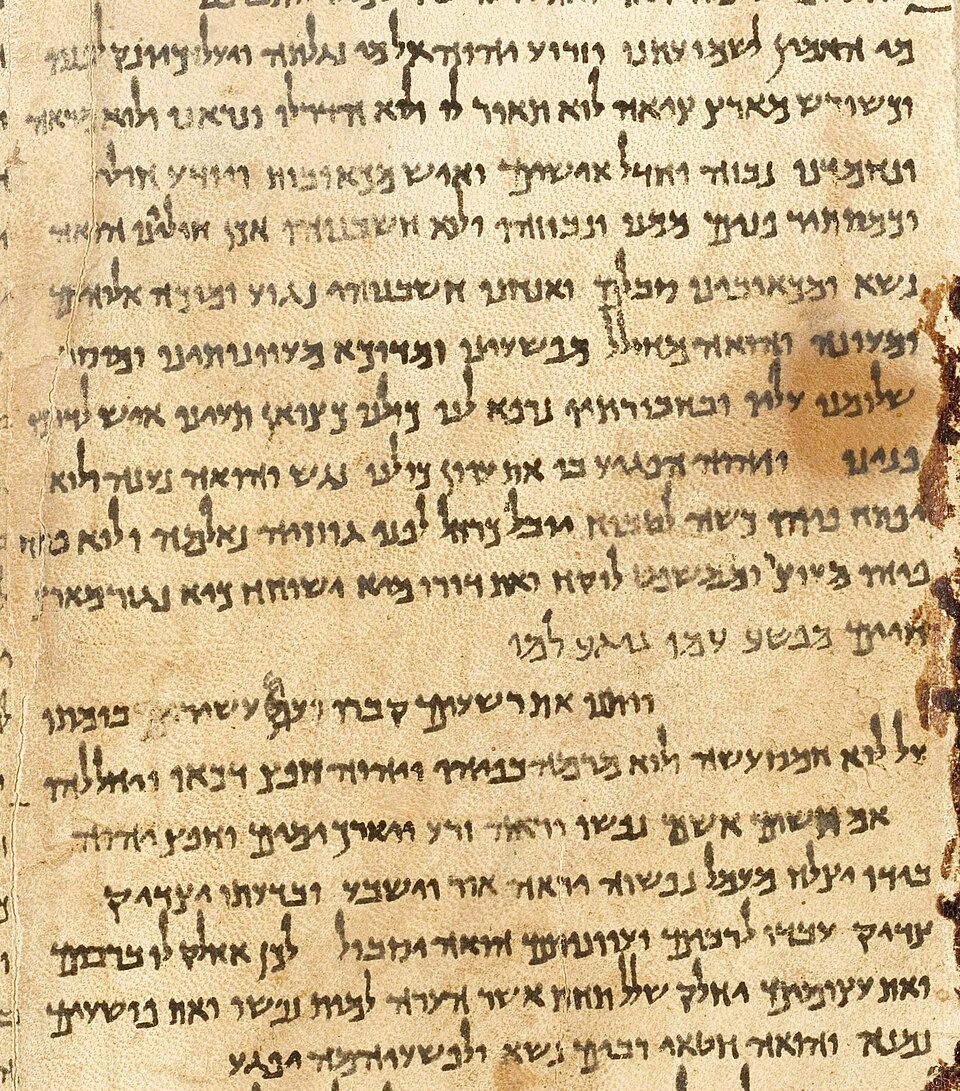
c. 125 BC The Great Isaiah Scroll Public domain · Wikimedia Commons -
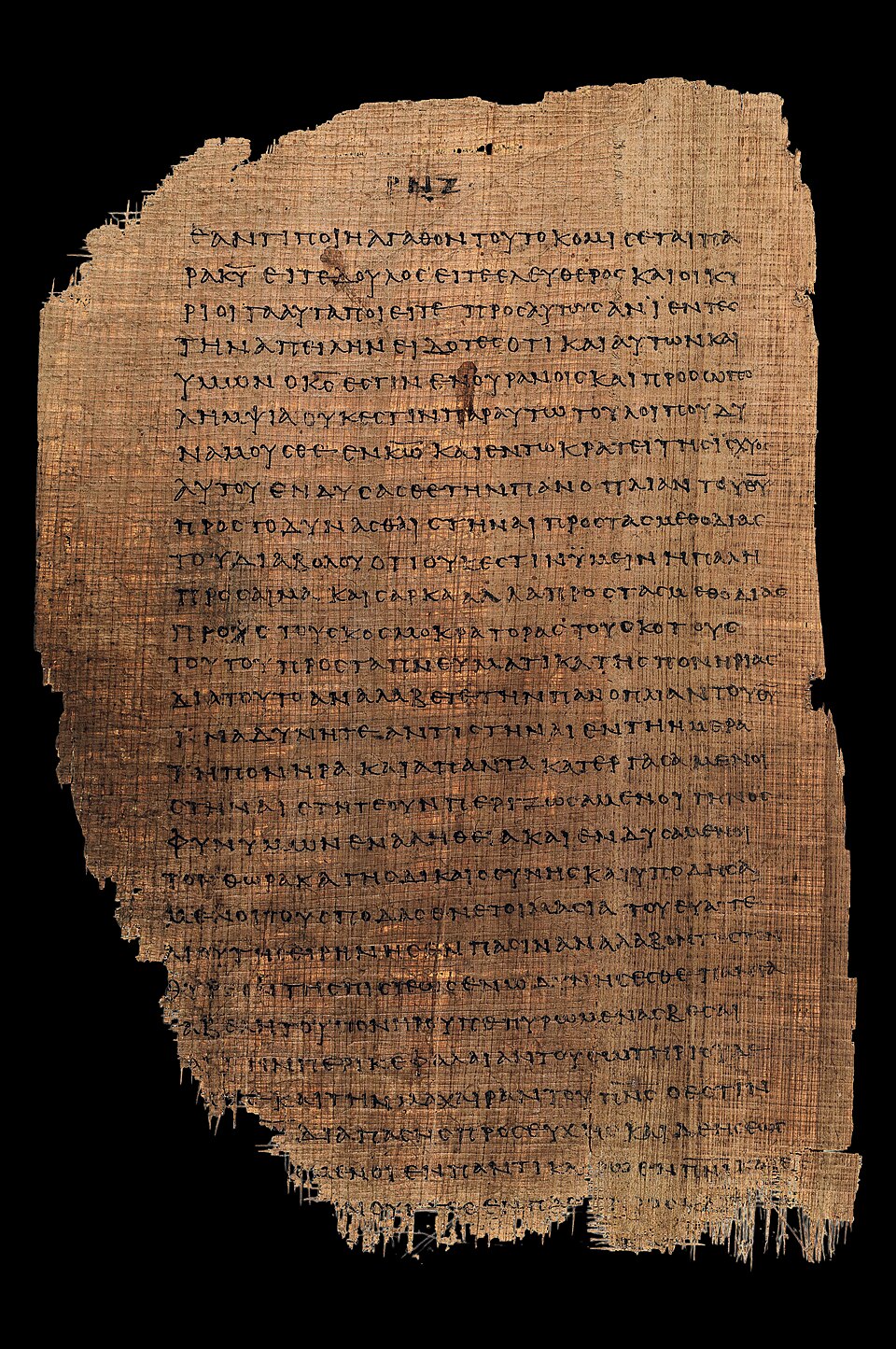
c. AD 175–225 Papyrus 46: the armour passage on papyrus Public domain · Wikimedia Commons -
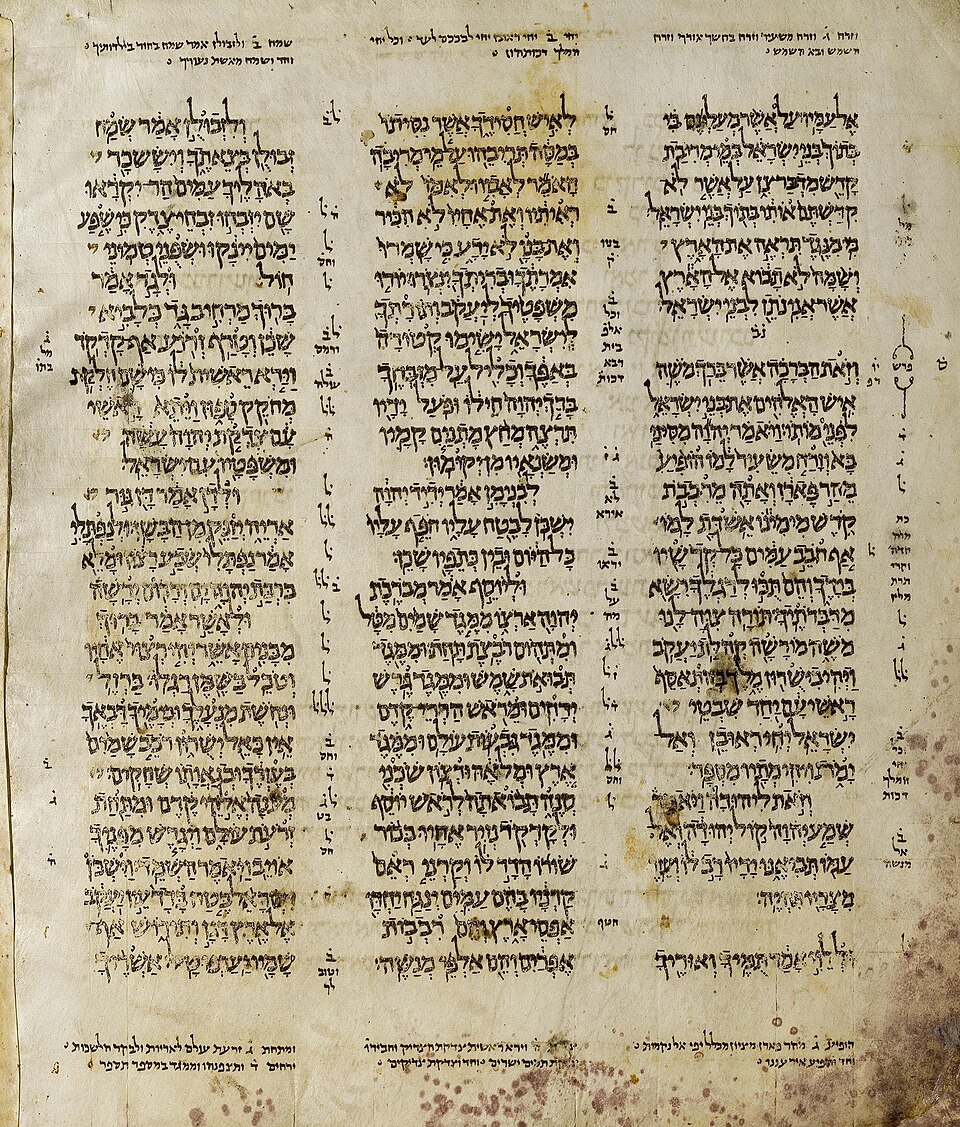
c. AD 920 The Aleppo Codex, the “Crown of Aleppo” Public domain · Wikimedia Commons -
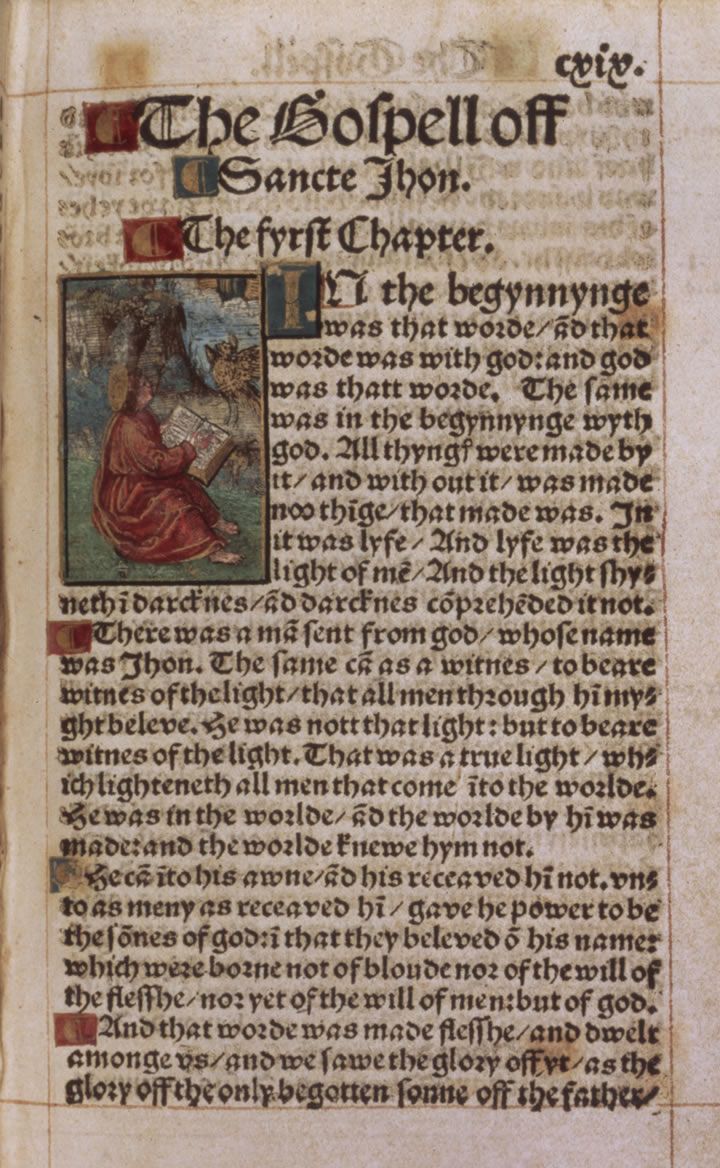
1526 Tyndale’s New Testament: the Gospel of John Public domain · Wikimedia Commons -
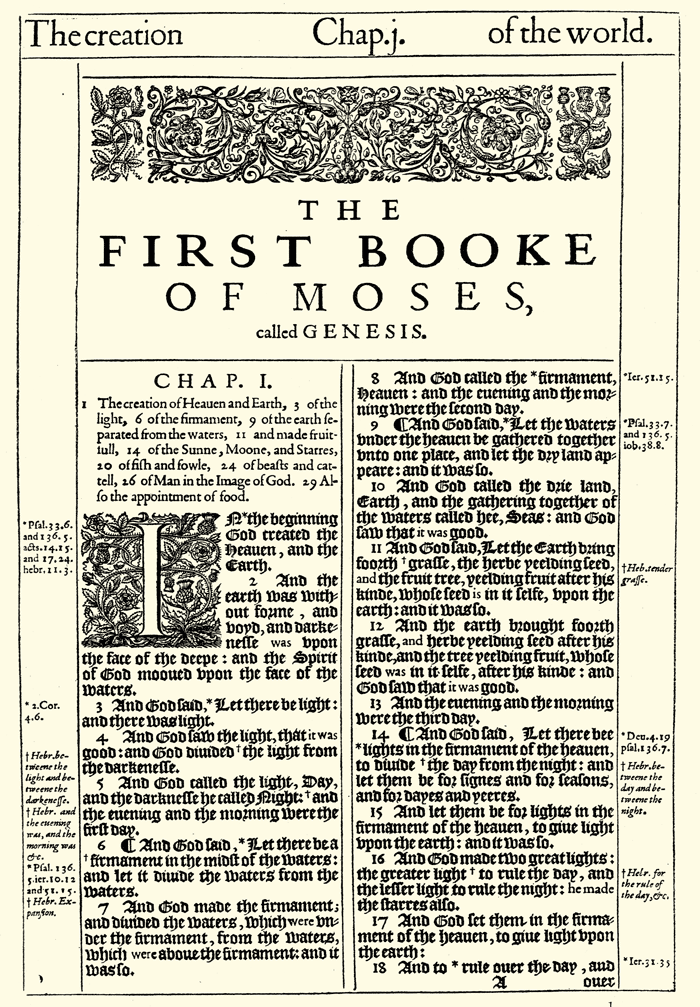
1611 (London) The King James Bible of 1611: Genesis 1 Public domain · Wikimedia Commons
The Exhibits
Seven pieces, named by the text
-
Ephesians 6:14
A soldier’s silver belt from the Tekija hoard CC BY-SA 3.0 RS
-
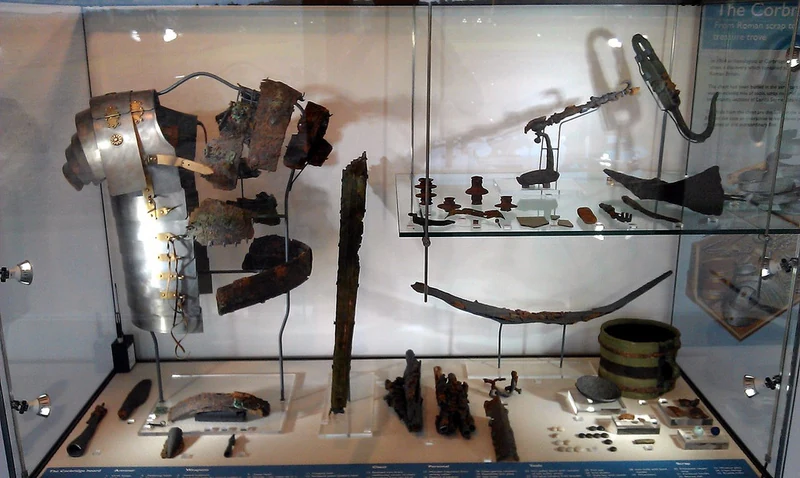
Ephesians 6:14
Plate armour from the Corbridge Hoard CC BY-SA 3.0
-
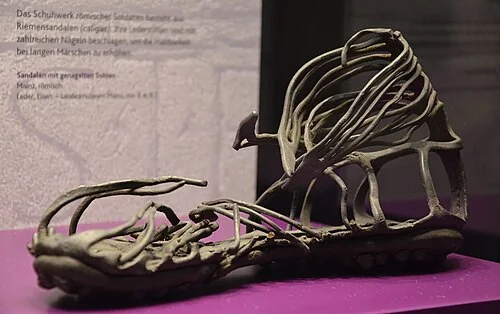
Ephesians 6:15
A soldier’s caliga CC BY-SA 2.0
-
Ephesians 6:16
The Dura-Europos scutum Public domain
-
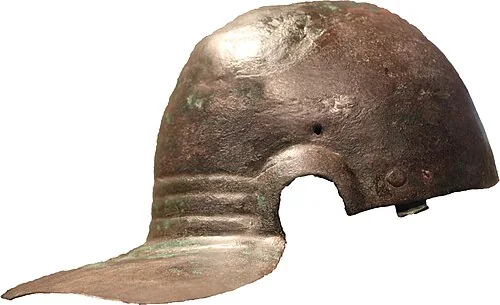
Ephesians 6:17
A legionary helmet of the Weisenau type CC BY 3.0
-
Ephesians 6:17
The Sword of Tiberius CC BY-SA 2.0
-
Ephesians 6:18

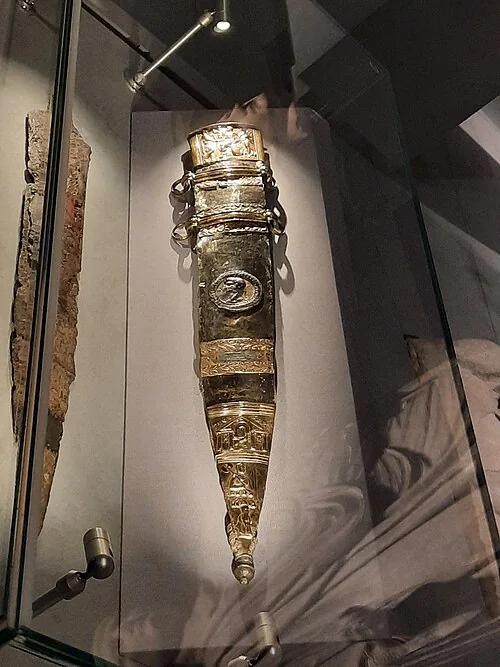
_fol._157v_Eph_6,_8%E2%80%9318.jpg)

.jpg)


.jpg)


.jpg)
The Timeline · A slow reel
The Book carried through the ages
A few of the dated entries in the Timeline, from the early papyri to the Victorian pulpit. Each opens its entry; each plate is reproduced under the licence named beneath it.
-
early 3rd century
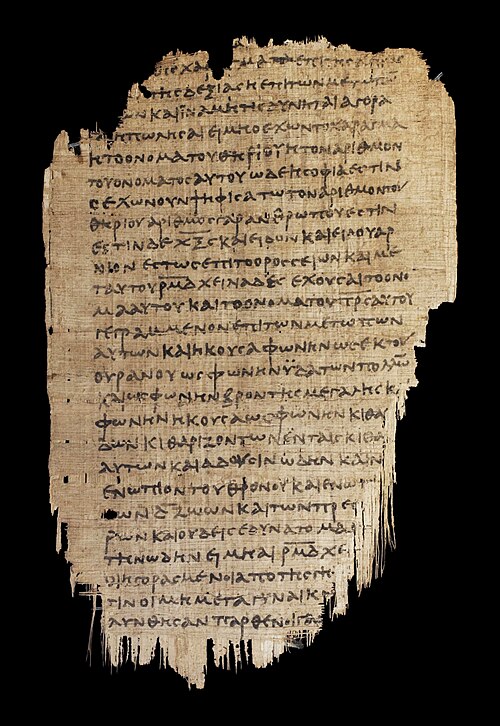
Papyrus 47: the oldest surviving copy of the Book of Revelation Public domain -
AD 367
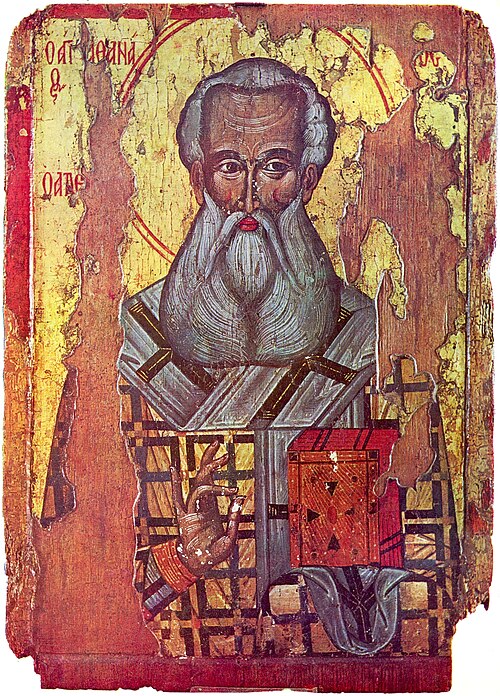
Athanasius lists the twenty-seven books of the New Testament Public domain -
382 · 390s
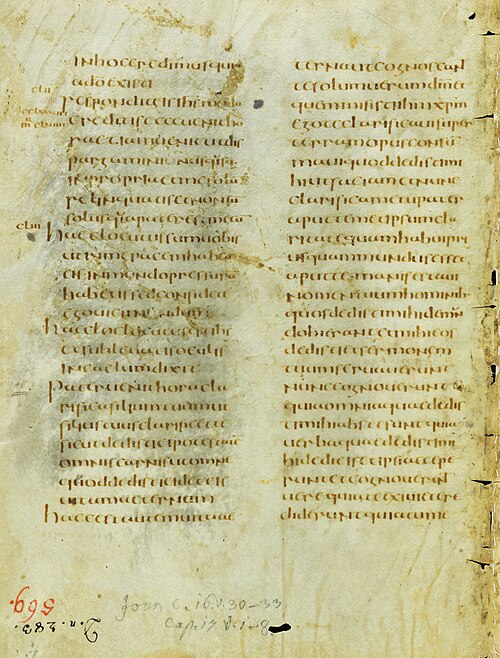
Jerome and the Latin Vulgate Public domain -
5th century
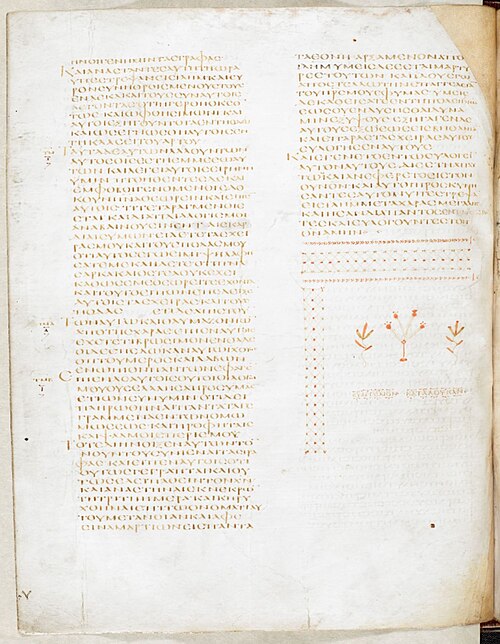
Codex Alexandrinus: the whole Greek Bible in one book Public domain -
692 · 716
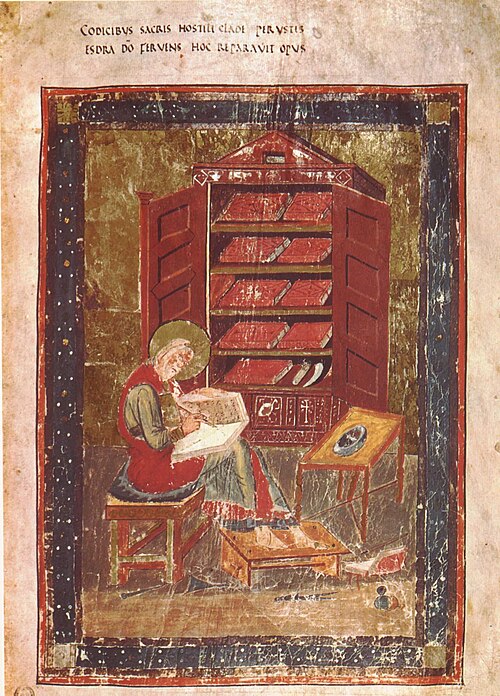
The Codex Amiatinus: a whole Bible made at Jarrow Public domain -
c. 715 · gloss c. 950–970
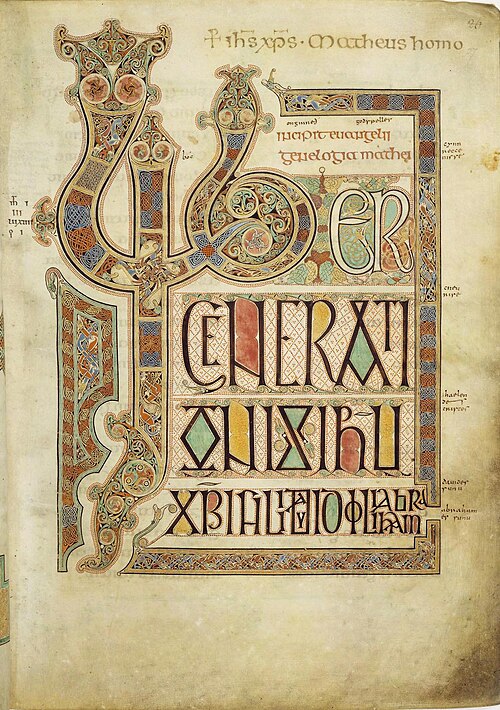
The Lindisfarne Gospels, and the oldest English Gospels between their lines Public domain -
c. 800
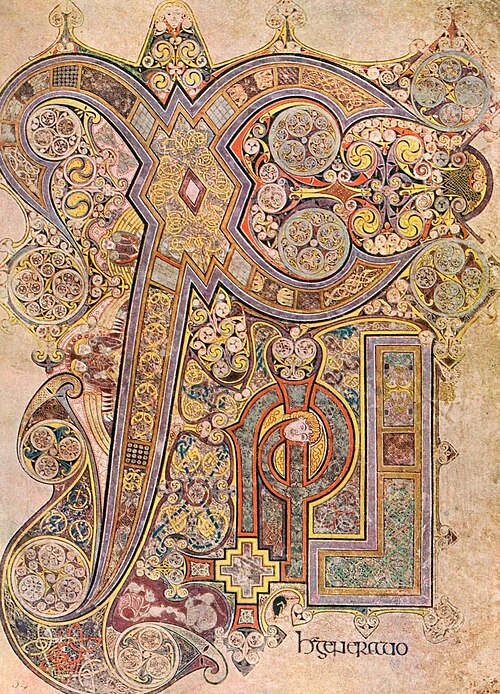
The Book of Kells: the four Gospels in Latin Public domain -
March 1516
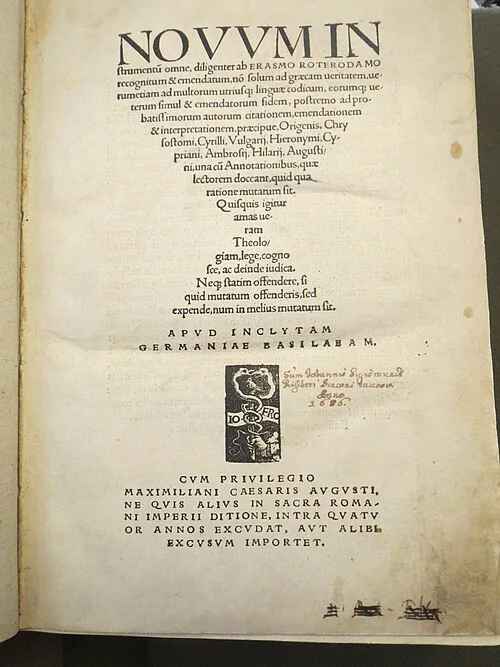
Erasmus publishes the New Testament in Greek CC BY-SA 3.0 -
April 1539
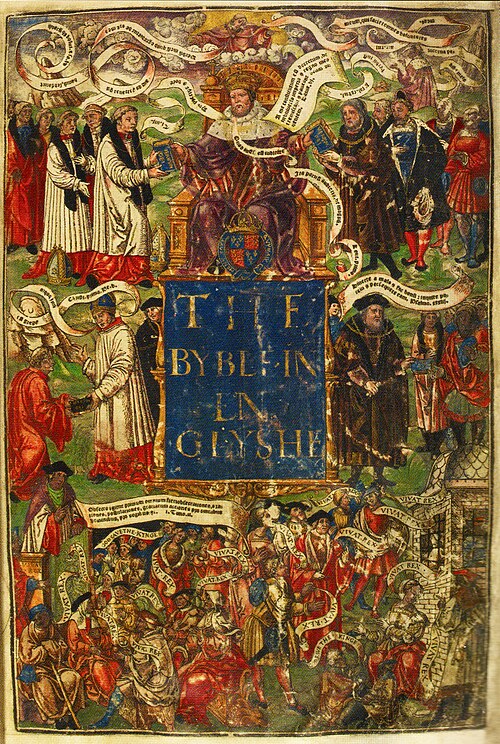
The Great Bible: the first English Bible authorized for the churches Public domain -
1638 · 1652 · 1663
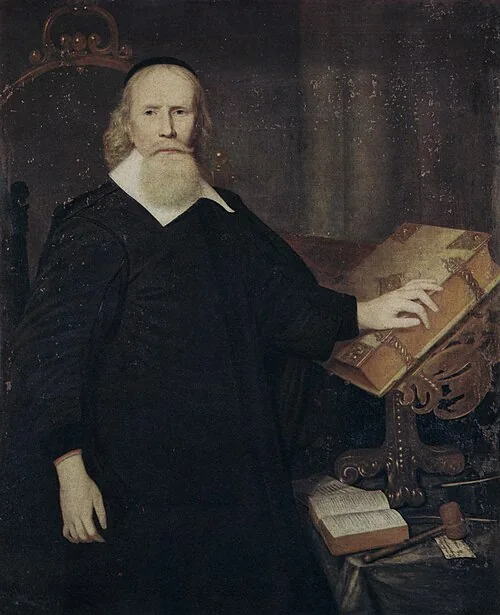
John Clarke: the Newport church, and a charter for liberty of conscience Public domain -
2 October 1792
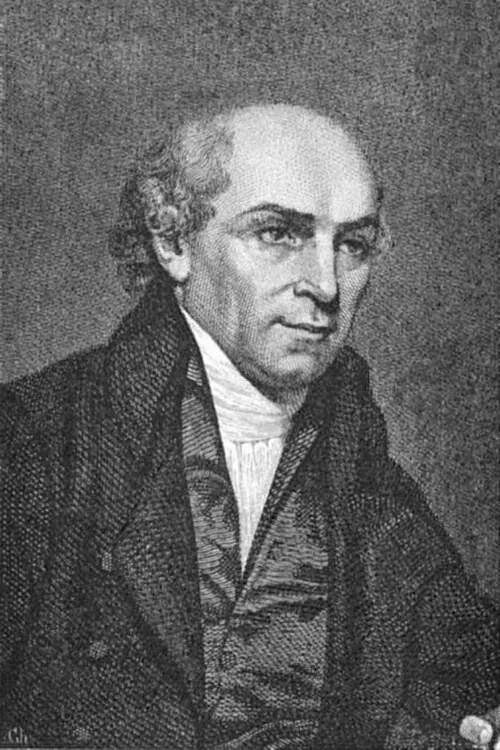
The Baptist Missionary Society is founded at Kettering Public domain -
1854
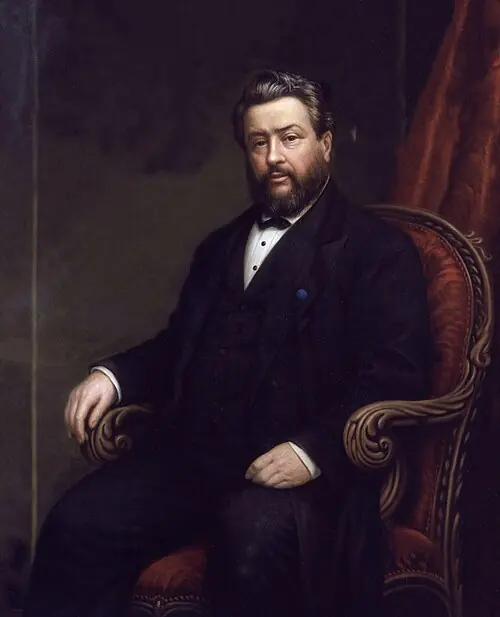
Charles Haddon Spurgeon is called to New Park Street, Southwark Public domain


.jpg)


The Halls
The halls of the museum
Every historical claim in this museum will carry its source. Nothing is displayed until it can be shown true.
-
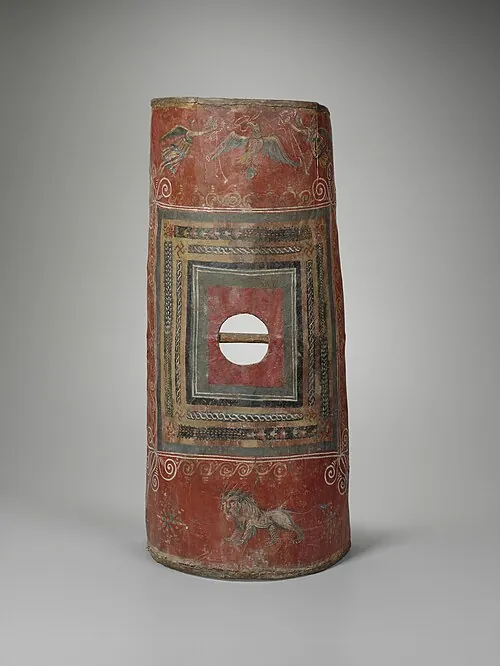
The Armoury
Seven exhibits — one for each piece — each with its Scripture and its cross-references through the whole Bible.
The Dura-Europos scutum Public domain
-
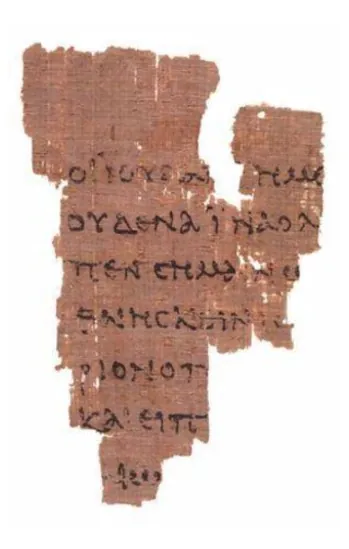
The Gallery
Real objects from the world’s museums and libraries: the papyrus page that carries Ephesians 6, the Great Isaiah Scroll, and the Roman armour Paul named — every plate licensed and sourced.
The St John fragment Public domain
-
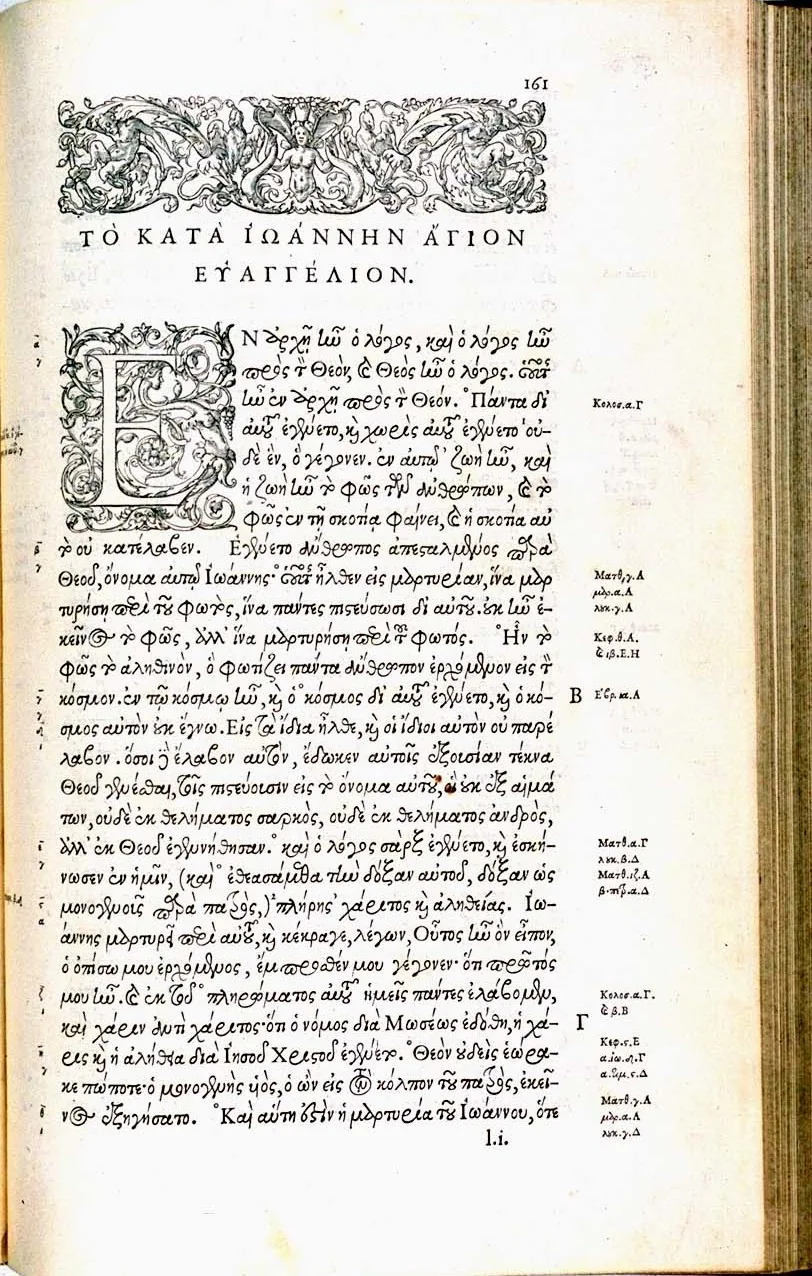
The Timeline
An illustrated, sourced walk through the history of the Scriptures and of Baptist witness — every entry carrying its citation.
Stephanus’s Editio Regia Public domain
-
The Bible Catalogue
All sixty-six books of the King James canon, Genesis to Revelation, browsable by testament and division.
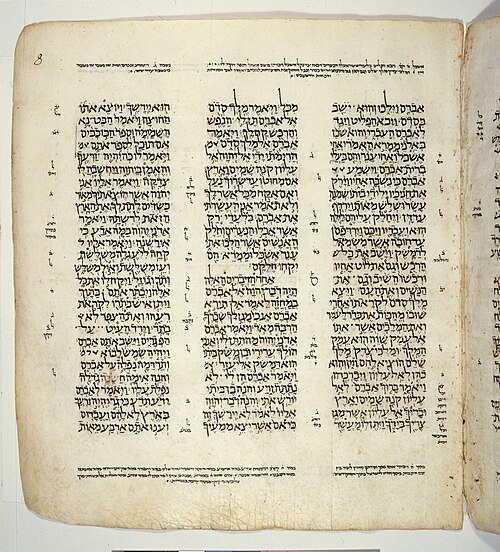
The Leningrad Codex Public domain
-
What We Believe
Who we are, what our name means, and what we hold — each conviction with its Scripture.
-
The Reading Room
Every citation in the museum in one place: the histories, the licence behind each plate, and the Scripture behind each exhibit.
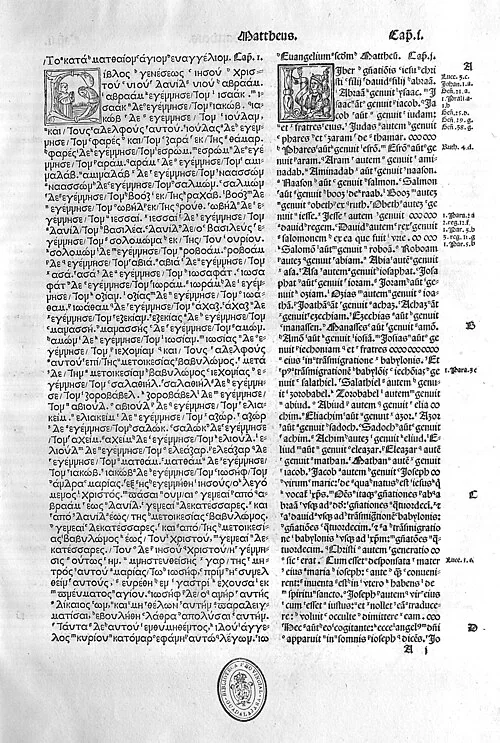
The Complutensian Polyglot CC BY-SA 3.0


The Visitors’ Center
Come in.
You are at the Entrance, the first of seven stops on the suggested walk. New to the museum? Begin at the Visitors’ Center, or walk on to the Armoury.
- Enter the Visitors’ CenterA welcome, the seven-stop walk, why we are called a militia, and how to reach the fellowship.
- Enter the ArmouryThe next stop on the walk: each piece of the armour, with its Scripture and its cross-references.
- Ask us to prayA leader reads every request and brings it to prayer. No email address is needed.